Why entendre?
Every conversation contains two conversations: the one you see, and the one underneath. Entendre reads both.
The name
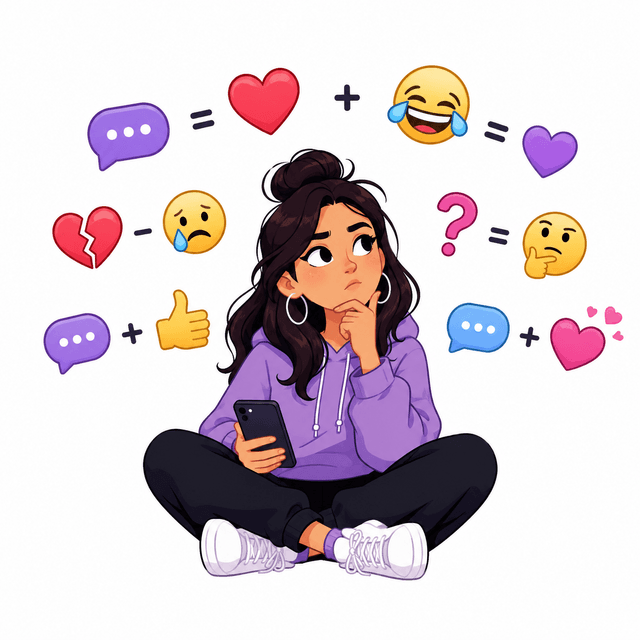
Entendre is French for "to hear" or "to understand." A double entendre is a phrase with two meanings: the obvious one, and the one underneath. That is exactly what this product does. It hears what was said, and what was meant.
Every "I'm fine" has a subtext. Every unanswered message has a meaning. Every joke is doing something. Entendre finds it.
Attachment styles
Attachment theory describes how people bond. Originally observed in infants and caregivers, these patterns persist into adult relationships and show up unmistakably in how we text. We don't apply these as labels. We show you how they manifest in this specific conversation.
Comfortable with closeness and independence. Communicates directly. Doesn't need constant reassurance.
·Responds promptly but not anxiously
·Comfortable with silence
·Initiates and receives equally
Craves closeness, fears rejection. Over-communicates. Reads into silence.
·High message volume
·Follow-ups when not answered
·Longer messages, more emotional content
Values independence, uncomfortable with too much intimacy. Withdraws under pressure.
·Short replies
·Long response times
·Deflects emotional topics with humor or logistics
Wants closeness but fears it. Hot and cold. Unpredictable intensity.
·Irregular patterns
·Sudden warmth followed by withdrawal
·Contradictory signals in same thread
How we analyze
Each report draws on six frameworks applied simultaneously. They're not separate sections of the analysis: they inform each other.
How early bonding patterns shape the way we connect as adults. The four styles appear clearly in how people text.
Who initiates, who waits, who writes more, who apologizes first. These patterns reveal the real hierarchy in any relationship.
The specific words people choose, the nicknames they use, the phrases that recur. Language is identity.
Every relationship has a story arc. Chapters, turning points, the moment things shifted. We find it in the timeline.
What emotions dominate each person's messages. Who carries warmth, who carries anxiety, who deflects.
What people mean vs. what they say. The real question behind the message. What was almost sent but wasn't.
What we don't do
We don't tell you what to do. We don't give advice. We don't judge the relationship as good or bad.
We don't apply clinical diagnoses. Saying someone has an "anxious attachment style in this conversation" is not a diagnosis.
We don't claim certainty. The Shadow segment exists precisely to name what neither person has acknowledged. It is an observation, not a verdict.
We don't make assumptions about things not in the text. If the conversation doesn't say how old someone is, we don't guess. We work with what's there.
Ready to read between the lines?
Analyze a conversation